
Straight teeth are often linked with a confident smile, but their value goes far beyond appearance. Well-aligned teeth support clear speech, balanced chewing, and easier cleaning.
Many people want straighter teeth but hesitate because they are unsure whether aligners are the right choice for them. This uncertainty is common, especially when comparing different orthodontic options.
Understanding who benefits the most from aligners can remove confusion and help people feel more confident before starting treatment.
This article explains the topic in clear and simple language. By the end, you will have a better idea of whether aligners match your dental needs, habits, and lifestyle.
What Clear Aligners Are and How They Work
A Simple Explanation of Clear Aligners
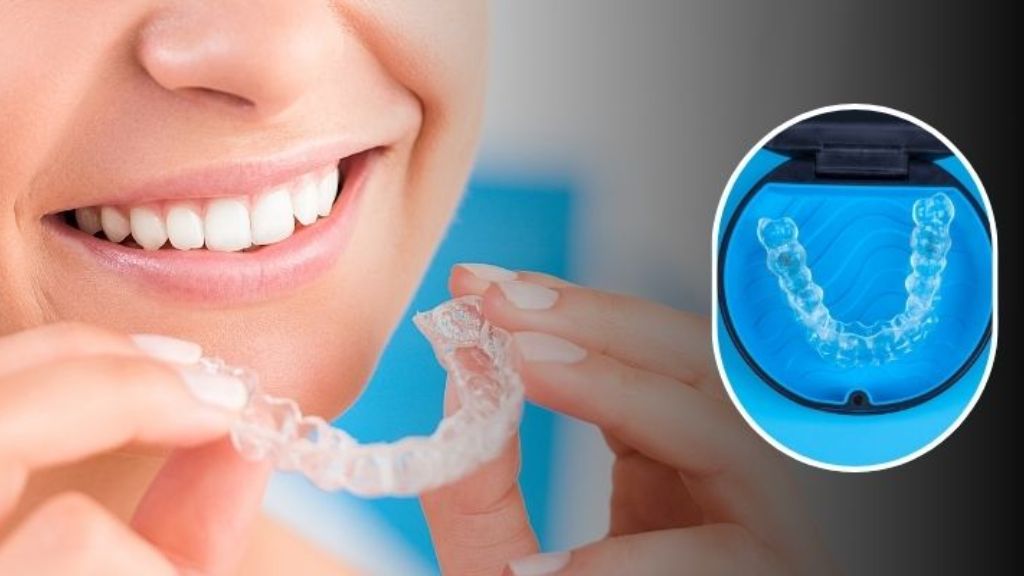
Clear aligners are smooth, transparent trays made to fit closely over your teeth. They are custom-made so that each tray applies gentle pressure in specific areas.
Over time, this pressure helps move teeth into better positions, a process often guided by a Dentist in Chandigarh who plans each stage carefully. Instead of wires and brackets, aligners rely on a series of trays that are changed regularly as the teeth shift.
Because they are nearly invisible, many people feel comfortable wearing them in everyday situations. They blend easily into daily life and do not draw much attention when you smile or talk, which is why a Dentist in Chandigarh may recommend them for patients who want a discreet orthodontic option.
How Tooth Movement Happens with Aligners
Teeth sit in bone, but they are not locked in place. When steady pressure is applied, the bone around the tooth slowly changes shape.
Aligners take advantage of this natural process. Each tray moves the teeth a small amount, then the next tray continues the process.
This slow and controlled movement helps protect the teeth and gums. Dentists carefully plan every step so that the teeth move safely and predictably without unnecessary strain.
Why Clear Aligners Have Become So Popular
Appearance and Comfort
One of the main reasons people choose aligners is their appearance. The trays are clear, so they are far less noticeable than traditional braces. This can make a big difference for people who feel self-conscious about orthodontic treatment.
Comfort also matters. Aligners are smooth and do not have sharp edges. Many patients find them easier to adjust to, especially during the early stages of treatment.
Flexibility in Daily Life
Aligners can be removed when eating, brushing, and flossing. This flexibility allows people to enjoy their usual meals without worrying about food getting stuck. Oral hygiene also feels more natural because brushing and flossing can be done normally.
For people with busy schedules, this removable design often feels more manageable than fixed orthodontic options.
Ideal Age Groups for Clear Aligner Treatment
Teenagers and Developing Smiles
Teenagers can be good candidates once most permanent teeth have come in. At this stage, the teeth are easier to guide into better positions. Many teens like aligners because they are discreet and do not stand out in social settings.
However, success depends on responsibility. Aligners must be worn for the recommended number of hours each day. Teens who follow instructions carefully are more likely to see good results.
Adults Looking for Discreet Options
Adults make up a large group of aligner patients. Some adults never had orthodontic care earlier, while others notice that their teeth have shifted over time. Clear aligners in Chandigarh give adults the chance to improve alignment without the noticeable look of braces, making treatment easier to fit into work and social life.
Adults who stick to daily wear guidelines often experience steady progress and feel more confident throughout treatment.

Dental Problems Clear Aligners Can Treat
Mild to Moderate Crowding
Crowding happens when there is not enough space for all the teeth to line up properly. In mild to moderate cases, aligners can gently guide teeth into better positions.
This makes brushing and flossing easier and helps lower the risk of cavities. More severe crowding may require other orthodontic approaches before aligners are considered.
Spacing and Gaps
Gaps between teeth can affect both appearance and function. Food can easily get trapped, which may lead to plaque buildup.
Aligners are often effective at closing small to medium gaps in a controlled way. Patients with spacing issues often notice visible improvements early in treatment.
Minor Bite Issues
Some bite problems, such as slight overbites or underbites, can be improved with aligners. Dentists carefully examine how the upper and lower teeth come together before recommending this option. More complex bite concerns may need braces or other forms of orthodontic care.
Who May Not Be the Best Candidate
Severe Alignment Problems
Aligners are not suitable for every situation. Teeth that are rotated heavily or positioned far out of place may not respond well to aligners alone.
In these cases, braces can provide more precise control. A detailed dental evaluation helps determine whether aligners can achieve the desired outcome.
Jaw Growth and Skeletal Issues
When the main concern involves jaw alignment rather than tooth position, aligners may not be enough.
Jaw-related concerns sometimes need early intervention or different treatment methods. Aligners are designed to move teeth, not correct major jaw differences.
Personal Habits That Affect Treatment Success
Commitment to Wearing Aligners
Aligners work only when worn as directed. Most treatment plans require wearing them for most of the day and night. Removing them too often can slow progress and affect results.
People who are consistent with daily wear tend to do well with clear aligner treatment, as steady use keeps the teeth moving on schedule.
Oral Hygiene and Daily Care
Good oral hygiene plays a major role in treatment success. Teeth and aligners should be cleaned regularly to avoid plaque buildup.
Patients who already maintain healthy habits usually adapt quickly to aligner care. Neglecting oral hygiene can lead to gum issues, which may pause or delay treatment.
Health Factors Dentists Consider
Gum Health
Healthy gums provide a strong foundation for tooth movement. Swollen or bleeding gums can interfere with how teeth shift.
Dentists often recommend addressing gum concerns before starting aligner care. This step helps create a safer and more stable treatment experience.
Overall Dental Condition
Cavities, worn teeth, or existing dental work may need attention before aligners are placed. A healthy mouth supports smoother movement and reduces the risk of complications during treatment. This is why a full dental check is always part of the planning process.
What an Initial Dental Assessment Involves
Digital Scans and Smile Evaluation
Modern assessments often use digital scans to capture detailed images of the teeth. These scans show how teeth are positioned and how they can move over time.
Dentists use this information to plan each stage of alignment. Many patients find it helpful to see a preview of how their smile may change.
Creating a Treatment Plan
After reviewing scans and dental health, the dentist creates a step-by-step plan. This plan outlines how many aligners are needed and how long treatment may take.
Clear expectations help patients stay motivated and informed. This planning stage plays a key role in successful clear aligner treatment outcomes.
Lifestyle Benefits for the Right Candidate
Eating and Speaking Comfort
Because aligners are removable, eating feels normal. There is no need to avoid certain foods, which can make daily life easier.
Speech usually adjusts quickly, and most people speak clearly after a short adjustment period. This comfort often makes aligners easier to live with than fixed appliances.
Confidence During Treatment
Many people feel more confident knowing their orthodontic care is discreet. Being able to smile without feeling self-conscious can improve emotional comfort during treatment.
This boost in confidence matters just as much as physical changes, especially during longer treatment periods.
Conclusion
Clear aligners can be a good option for people with mild to moderate alignment concerns, healthy gums, and the ability to follow daily wear instructions.
Age, dental health, and personal habits all influence whether aligners are the right choice. A proper dental assessment helps match each individual with the safest and most effective approach.
Taking the time to understand your needs and options is the first step toward a healthier, more confident smile.