
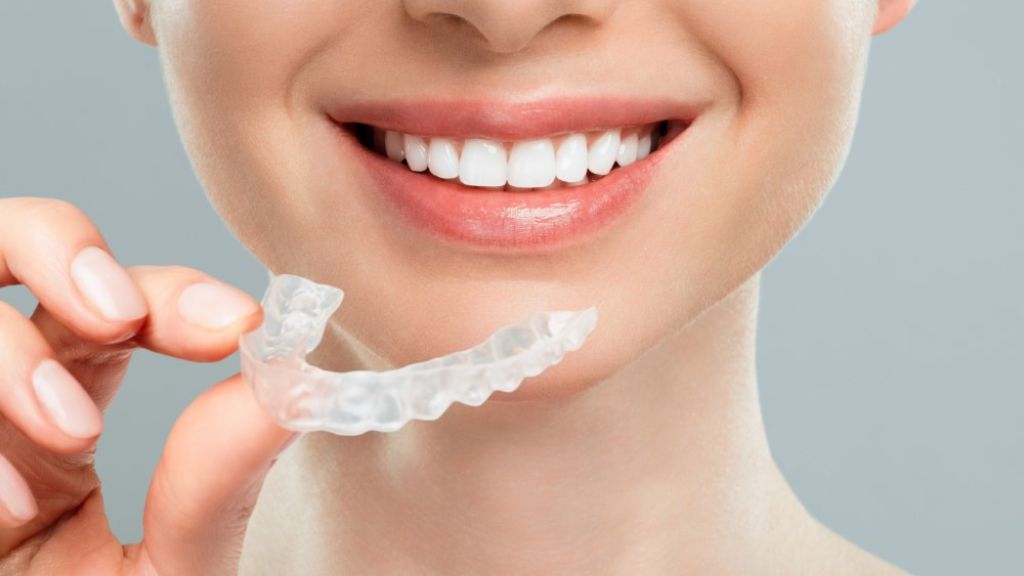
Clear aligners may look simple, but they rely heavily on daily habits to work properly. Many people think aligners straighten teeth on their own, without much effort from the person wearing them.
In reality, aligners depend on steady routines, good hygiene, and careful handling every single day. When daily habits are strong, teeth move as planned and treatment stays comfortable. When habits slip, progress can slow down or become uncomfortable.
This article explains the daily habits that help aligners work effectively. Everything is written in a clear and simple way, so it is easy to follow even if you are new to aligners. By understanding these habits, you can play an active role in keeping your treatment on track from start to finish.
Why Daily Habits Matter With Clear Aligners
Clear aligners are designed to work gradually. They do not force teeth into place overnight. Instead, they rely on small, controlled movements that happen over time, which is why dentists at a dental clinic in Chandigarh often remind patients that consistency is key.
Wearing aligners as advised and following daily care routines helps guide teeth safely into better positions. This is why daily habits matter more than many people expect.
Aligners Work Through Consistent Pressure
Aligners gently apply pressure to teeth to guide them into better positions. This pressure needs to stay consistent for many hours each day. When aligners are worn as directed, teeth respond slowly and safely.
If aligners are removed too often or worn for fewer hours, that pressure is interrupted. This is one reason clear aligner treatment depends so much on consistency.
Teeth do not remember where they are supposed to go unless the aligners remind them. Regular wear allows the treatment plan to move forward as intended.
Small Daily Choices Affect Final Results
Daily choices can seem small at the moment. Forgetting to put aligners back in after lunch or skipping brushing once may not feel important.
Over time, however, these habits add up. Some patients finish treatment smoothly and on time, while others need extra adjustments because daily routines were not followed closely.
Good habits support steady progress. Poor habits can slow things down, even if the aligners themselves are well designed.
Wearing Aligners the Right Way Every Day
Wearing aligners correctly is the foundation of successful treatment. Without proper wear, even the best plan may fall short.
Following the Recommended Wear Time
Most aligner plans require wearing aligners for about 20 to 22 hours each day. This leaves enough time for meals and oral care. The rest of the day, aligners should remain in place.
Wearing them less than recommended can cause teeth to move unevenly or stop moving altogether.
A helpful habit is to put aligners back in right after eating. Delaying this step often leads to longer breaks than planned, which can affect progress.
Avoiding Long Breaks Without Aligners
Leaving aligners out for long periods can cause teeth to shift slightly back toward their old positions. When aligners are placed back in, they may feel tight or uncomfortable. This feeling is a sign that the teeth were not held in place.
Over time, long breaks can interfere with how well clear aligner treatment in Chandigarh follows the schedule. Setting reminders on your phone can help build a steady routine, especially during the early stages of treatment.
Eating and Drinking Habits That Support Aligner Success
Eating and drinking habits play a major role in keeping aligners clean and effective.
Removing Aligners Before Meals
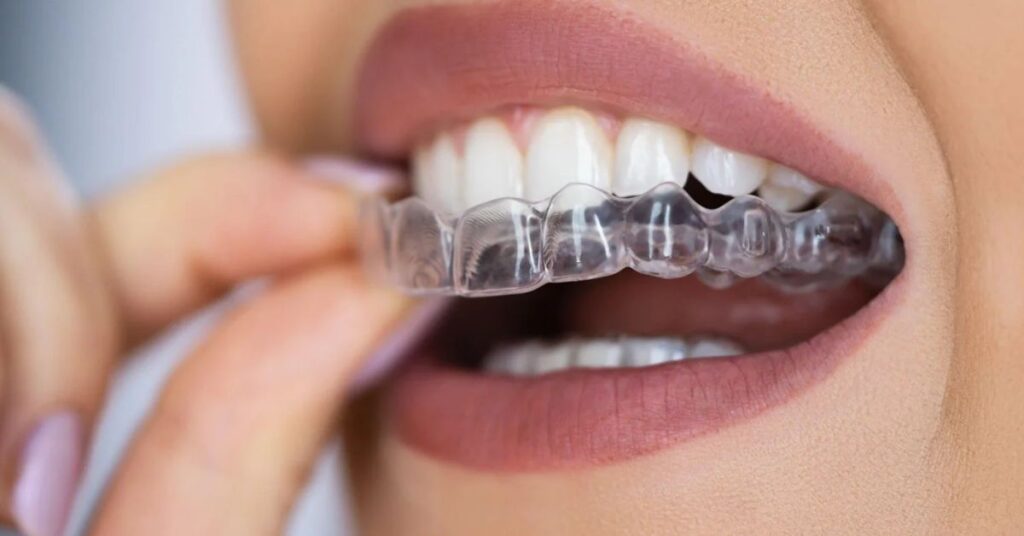
Aligners should always be removed before eating. Chewing with aligners in place can damage them or cause food to become trapped. Trapped food increases the risk of tooth decay and gum problems.
A simple habit to remember is this: if you are about to eat, remove your aligners first. This protects both your teeth and your aligners.
Drinks That Can Cause Problems
Water is safe to drink while wearing aligners. Other drinks can cause issues. Sugary drinks, tea, and coffee can stain aligners and encourage bacteria growth. Hot drinks are especially harmful because heat can change the shape of aligners.
When brushing is not possible right away, rinsing your mouth with water before putting aligners back in is a useful habit.
Oral Hygiene Habits That Keep Treatment on Track
Oral hygiene is even more important during aligner treatment. Clean teeth respond better to movement and stay healthier.
Brushing and Flossing After Every Meal
Food particles left on teeth can become trapped under aligners. This creates a warm, moist space where bacteria can grow. Brushing and flossing after meals helps prevent plaque buildup and bad breath.
Keeping a small toothbrush and floss with you makes it easier to maintain this habit throughout the day.
Keeping Aligners Clean and Clear
Aligners should be cleaned daily to prevent odor and buildup. Lukewarm water and a soft toothbrush are usually enough.
Cleaning tablets made for aligners can also be used from time to time. Using rough toothpaste should be avoided, as it can scratch the surface and make aligners look cloudy.
Handling Aligners Safely During the Day
Aligners are durable, but they still need careful handling to avoid damage.
Proper Storage When Aligners Are Out
Whenever aligners are removed, they should be placed in their case. Leaving them on a table or wrapping them in tissue increases the chance of losing or breaking them.
Many aligners are accidentally thrown away during meals because they were placed in napkins. Using the case every time helps prevent this problem.
Avoiding Heat and Damage
Heat can change the shape of aligners. Leaving them near heaters or in hot environments can affect how they fit. Even small changes can make aligners less effective.
Rinsing aligners with cool or lukewarm water and keeping them away from heat sources is a smart daily habit.
Daily Habits That Help Aligners Move Teeth Faster
Some habits support smoother movement and improve comfort during treatment.
Switching Aligners on Schedule
Aligner plans usually involve switching to a new set every one or two weeks. Waiting too long to switch can slow progress, while switching too early can cause discomfort.
Marking switch dates on a calendar or setting reminders can help keep treatment moving forward as planned.
Using Chewies or Seating Tools Correctly
Chewies are small tools that help aligners sit properly on teeth. Using them for a few minutes each day can improve fit, especially when starting a new set.
A better fit helps aligners apply pressure more evenly and comfortably.
Managing Discomfort Without Skipping Wear Time
Some discomfort is normal during aligner treatment, especially when switching to a new set. How you respond to this discomfort matters.
Normal Pressure vs Warning Signs
Mild soreness or pressure during the first few days is expected. Sharp pain or sores that do not heal should be checked by a dental professional.
Understanding what is normal helps patients avoid removing aligners unnecessarily.
Simple Ways to Ease Soreness
Cold water rinses, softer foods, and chewies can help reduce discomfort. If pain relief is needed, it should be used only as recommended.
Continuing to wear aligners as directed is important, as skipping wear time can make soreness worse later.
Lifestyle Habits That Can Slow Progress
Some lifestyle choices can interfere with aligner success if not managed carefully.
Smoking and Aligner Staining
Smoking can stain aligners and dry out the mouth. A dry mouth increases the risk of cavities and irritation. Removing aligners before smoking helps reduce staining, but avoiding smoking during treatment is better for oral health.
Skipping Appointments or Check-Ins
Regular check-ins allow progress to be monitored and small issues to be corrected early. Skipping these visits can delay adjustments and affect results.
Patients who stay consistent with guidance from Dentists in Chandigarh often find their treatment feels smoother and more predictable.
Staying Motivated Throughout Treatment
Aligner treatment takes time, and staying motivated helps patients maintain good habits until the end.
Tracking Progress
Noticing small changes in tooth alignment can boost motivation. Taking photos or paying attention to how your smile looks over time reminds you that daily habits are working.
Some tools also help track wear time and aligner changes, which supports consistency.
Building Aligner Wear Into Your Routine
Connecting aligner habits with daily activities makes them easier to follow. For example, brushing your teeth and putting clear aligners back in can become one automatic step.
Over time, wearing aligners feels normal and less disruptive to daily life.
Conclusion
Clear aligners work best when daily habits support the treatment plan. Wearing aligners for the right amount of time, keeping teeth and trays clean, and handling aligners with care all contribute to steady progress.
Small choices made each day can either support or slow down results. By building simple routines and staying consistent, many patients complete treatment on time and feel confident in their smiles.
For those seeking ongoing guidance and support, Dentist in Chandigarh provides clear advice and professional care throughout the aligner journey.