
Replacing a missing tooth is not just about filling an empty space. It is about restoring comfort, balance, and confidence when you eat or speak. Dental implants are built to last many years, but their success depends heavily on how well they are planned before surgery even begins.
A small mistake in placement can lead to discomfort, bite problems, or future repairs. That is why dentists follow a careful and detailed planning process to get implant placement right from the start.
This article explains how dentists plan accurate implant placement in a way that is easy to understand. You will learn what happens before surgery, why planning matters, and how modern tools help dentists place implants safely and correctly.
What Dental Implant Placement Really Means
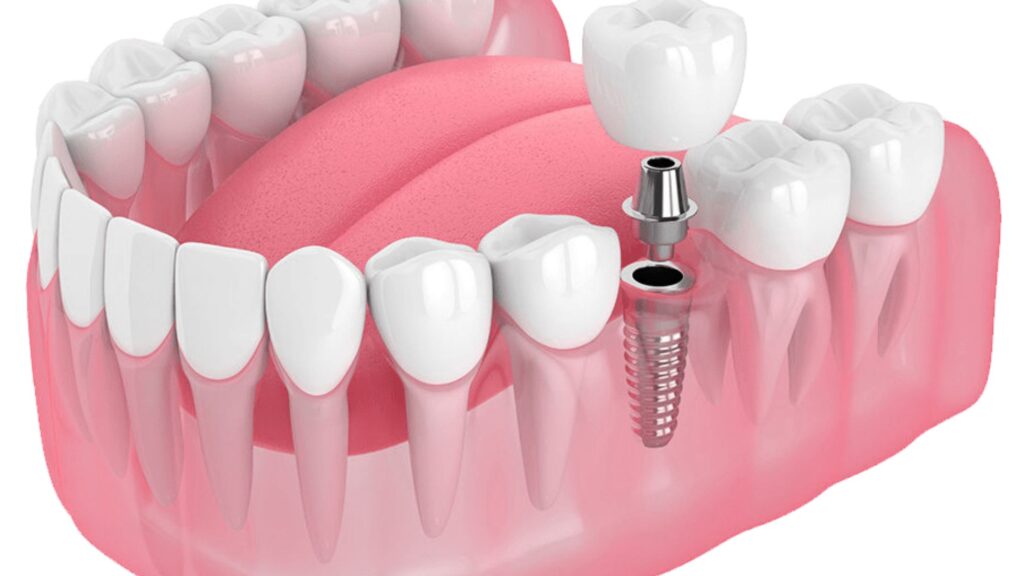
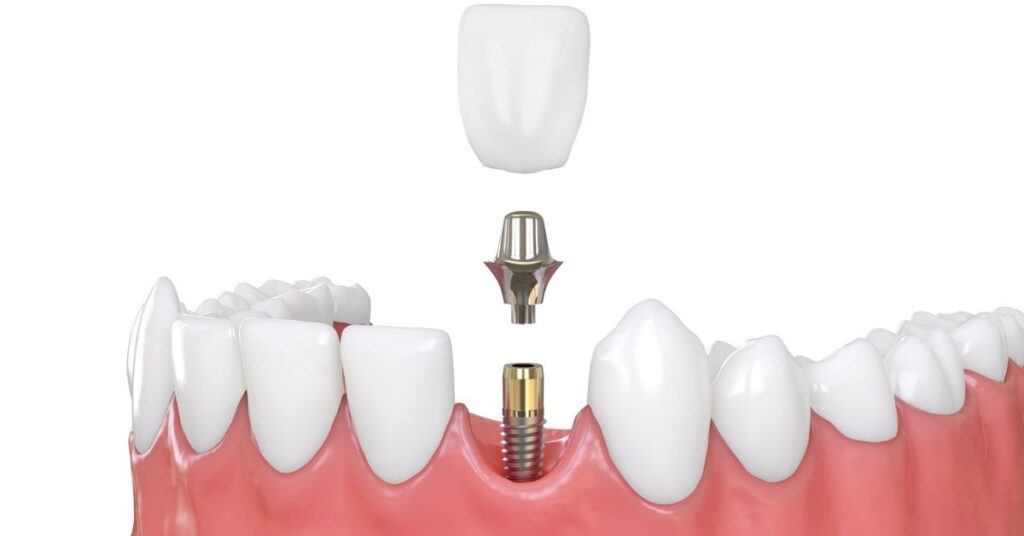
Dental implant placement is the process of positioning a small metal post inside the jawbone to act like the root of a missing tooth, which is why many patients explore dental implants in Chandigarh for long-term tooth replacement.
This post later supports a crown that looks and works like a natural tooth. While the final result may look simple, placing the implant in the correct spot requires careful planning.
The dentist must think about bone strength, nearby nerves, bite pressure, and the final tooth position. If any of these factors are ignored, the implant may not feel right or last as long as expected.
Why Accuracy Matters in Dental Implant Treatment
Accuracy plays a major role in the long-term success of dental implants. When an implant is placed correctly, it blends smoothly with the jawbone and supports chewing without strain. It also helps protect nearby teeth and keeps the jawbone healthy.
Poor placement can cause pain, gum issues, or pressure on nerves. It may also affect how the upper and lower teeth meet when biting. Correct planning helps reduce risks and improves comfort, function, and appearance over time.
Step-by-Step Planning Process for Dental Implants
Dentists follow a clear process before placing an implant. Each step builds on the one before it, helping create a safe and predictable treatment plan.
Patient Consultation and Oral Examination
The first step is a detailed consultation. The dentist talks with the patient about their dental history, overall health, and expectations. Conditions such as diabetes, smoking habits, or past dental issues are discussed because they can affect healing.
A full oral exam is done to check gums, remaining teeth, and jaw movement. This helps the dentist understand the mouth as a complete system, not just the missing tooth area.
Digital X-Rays and 3D Imaging
Modern implant planning relies heavily on digital imaging. Dentists use advanced scans that show the jawbone in three dimensions. These scans allow the dentist to see the exact shape of the bone and the position of nerves and sinuses.
This step reduces guesswork. Instead of estimating depth or angle, the dentist can measure everything precisely. It also helps avoid sensitive areas that could cause pain or numbness if disturbed.
Bone Quality and Bone Volume Assessment
A strong bone is needed to hold an implant firmly. Dentists check both bone density and bone height in the area where the implant will go, and this careful evaluation is commonly carried out by dentists in Chandigarh to plan safe and predictable treatment.
If the bone is thin or weak, the dentist may suggest bone grafting before placing the implant. This assessment helps improve stability and healing. Without enough bone support, even a well-placed implant may fail over time.
Bite Analysis and Jaw Alignment
Every person’s bite is different. Dentists study how the upper and lower teeth come together when chewing or speaking. This helps them understand where pressure is strongest.
If an implant is placed without checking bite forces, it may carry too much pressure. Planning helps distribute chewing force evenly, which protects the implant and nearby teeth.
Virtual Implant Planning Software
Many dentists now use computer software to plan implant placement before surgery. This software allows them to place a virtual implant on a digital scan of the patient’s jaw.
The dentist can adjust the angle, depth, and position until it matches the ideal spot. This digital planning helps reduce surprises during surgery and increases confidence in the final result. Clinics like Dentist in Chandigarh often rely on this technology to improve accuracy and patient comfort.
How Surgical Guides Improve Accuracy
A surgical guide is a custom-made tool created from the digital plan. It fits over the patient’s teeth or gums and guides the dentist’s instruments during surgery.
This guide helps control the angle and depth of the implant placement. It acts like a map, showing exactly where the implant should go. Using a guide helps shorten surgery time and improves consistency, especially in complex cases.
Role of Experience and Clinical Skill
Technology plays a big role in planning, but dentist experience is just as important. A skilled dentist knows how to adjust the plan based on real-time conditions during surgery.
They understand how bone feels during drilling and can respond if the situation changes. Experience helps combine digital planning with hands-on judgement, leading to better outcomes for patients.
Common Mistakes Accurate Planning Helps Avoid
Good planning helps prevent many common implant problems. It reduces the risk of placing dental implants too close to nerves or sinuses. It also helps avoid poor angles that can affect chewing or cause crown damage later.
Planning also lowers the chance of implant failure due to weak bone support. By addressing these issues early, dentists help patients avoid extra procedures and long recovery times.
What Patients Can Expect During the Planning Phase
Patients often wonder how long planning takes. In most cases, planning visits include consultation, scans, and discussion of the treatment timeline. These visits are usually comfortable and pain-free.
Dentists explain each step clearly so patients understand what will happen and why. This helps build trust and reduces anxiety before surgery.
Conclusion
Accurate implant placement starts long before the day of surgery. From digital scans to bite analysis and guided tools, every step works together to improve safety and long-term success. Careful planning helps implants feel natural, function well, and last for many years.
If you are considering implant treatment and want a thoughtful, well-planned approach, clinics like Dentist in Chandigarh focus on careful evaluation and modern planning methods to support confident results and patient comfort.