
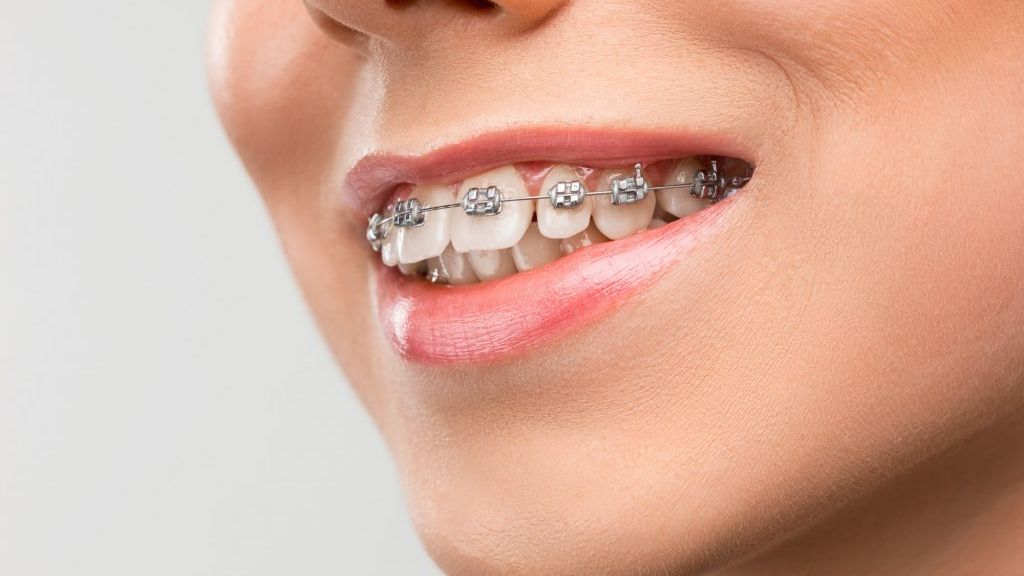
Many people begin orthodontic treatment expecting change but feel unsure when progress seems slow. Teeth do not shift overnight, and that can make the braces process feel mysterious. Adjustments happen regularly, yet the mirror may not show instant results.
This can lead to questions about whether anything is really happening at all. The truth is that tooth movement is a quiet process taking place beneath the surface.
The body slowly adapts to gentle pressure, reshaping bone and supporting tissues step by step. Understanding how this works can make the journey feel calmer and more predictable.
Understanding Tooth Movement
Teeth Are Not Fixed in Place
Teeth may look firmly locked into the jaw, but they are not cemented like stones in concrete. Each tooth is held in position by tiny fibres that connect it to the surrounding bone. A Dentist in Chandigarh often explains that these fibres allow a small amount of movement during everyday activities like chewing.
This natural flexibility is what makes orthodontic treatment possible. When controlled pressure is applied, teeth respond by shifting little by little instead of staying rigid, allowing alignment to improve safely over time.
The Role of Bone and Gums
The jawbone is living tissue that reacts to pressure. It constantly adjusts based on how forces are applied. When a tooth is guided in a certain direction, the bone around it begins to change shape.
The gums and supporting tissues also play an important role by keeping the tooth stable during movement. Together, these structures allow teeth to shift safely without causing long-term harm.
How Braces Apply Pressure
Gentle Force Over Long Periods
Orthodontic treatment relies on steady, light pressure rather than forceful pushing. Braces are designed to guide teeth slowly so the body has time to adjust.
This pressure is carefully planned and monitored during regular visits. Instead of sudden movement, the force stays consistent over weeks and months, encouraging gradual change that the jaw can handle.
Why Slow Movement Is Important
Moving teeth too quickly can cause problems such as root damage or weakened bone support. Slow movement gives the body time to remove and rebuild bone where needed.
This controlled pace protects the teeth and keeps them healthy throughout treatment. While it requires patience, it also leads to more stable and lasting results.
What Happens Inside the Jawbone
Bone Breakdown on One Side
When pressure is placed on a tooth, the bone on the side facing that pressure begins to break down. Special cells remove small amounts of bone to create space for the tooth to move. This process is natural and carefully regulated by the body. It does not weaken the jaw but prepares it for change.
New Bone Growth on the Other Side
As bone is removed on one side, new bone forms on the opposite side of the tooth. This fresh growth fills the space left behind and helps secure the tooth in its new position. Bone breakdown and bone formation always work together, keeping the jaw balanced and strong throughout treatment.
The Stages of Tooth Movement
Initial Pressure and Discomfort
The first stage often brings mild soreness or tenderness. This happens because the supporting fibres around the teeth are adjusting to new pressure. The discomfort usually fades within a few days after an adjustment. While it may feel uncomfortable at first, it is a sign that movement has begun.
Active Movement Phase
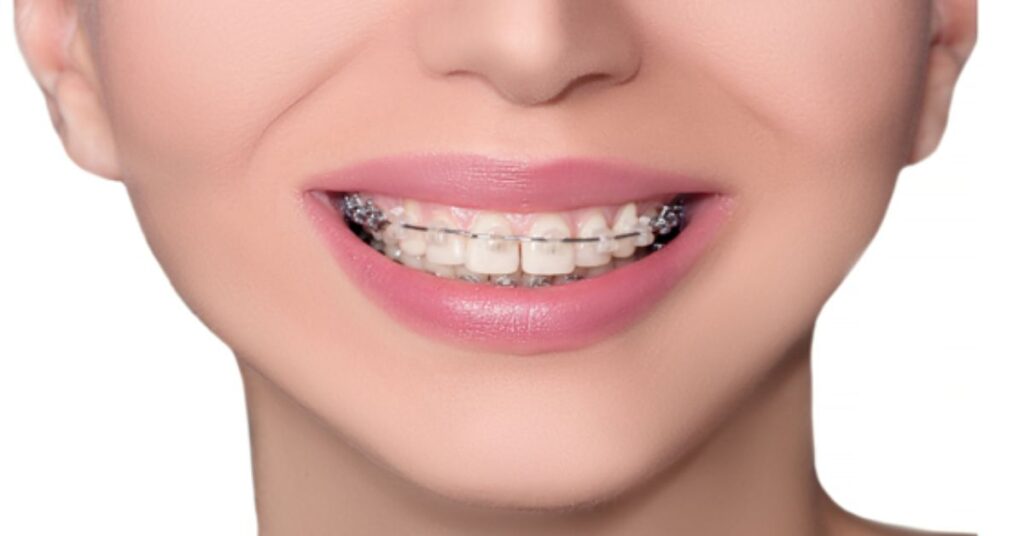
During this stage, teeth slowly shift into better alignment. The changes may not be obvious week by week, but progress continues beneath the surface as braces in Chandigarh apply steady, controlled pressure to guide movement.
Regular check-ups allow adjustments to keep teeth moving in the right direction. Each visit builds on the progress made since the last one, helping achieve a healthier smile over time.
Stabilisation Phase
Once teeth reach their planned positions, the body needs time to adapt. Bone continues to strengthen around the teeth, helping them settle securely. This stage is just as important as active movement because it prepares the mouth for long-term stability.
How Different Parts of Braces Work Together
Brackets and Wires
Brackets are attached to each tooth and act as anchors. A wire connects them and provides direction. When the wire is adjusted, it applies gentle pressure that guides teeth into alignment. Each adjustment slightly changes the force, continuing the movement process in a controlled way.
Elastic Bands and Springs
Elastic bands help guide how the upper and lower teeth meet, improving bite alignment. Springs can create space or assist with rotation when needed. Every component works together to move teeth in a balanced and coordinated way.
Why Treatment Takes Months or Years
Age and Bone Density
Younger patients often experience faster movement because their bones are still developing. In adults, bones are denser, so changes may happen more slowly. This difference is normal and does not affect the quality of the final result. With the right approach, healthy movement is possible at any age.
Complexity of Tooth Position
Simple alignment issues can be corrected more quickly than crowded or rotated teeth. Bite concerns and spacing problems also affect how long treatment takes. Each treatment plan is based on individual needs rather than a fixed timeline.
What Can Slow Down or Help Progress
Missed Appointments
Regular visits are important because they allow adjustments to guide movement. Missing appointments can slow progress by interrupting the planned sequence of changes. Consistent care helps teeth stay on track and keeps treatment moving forward.
Oral Hygiene and Habits
Good brushing and flossing protect the gums and bone that support tooth movement. Inflammation from poor hygiene can slow progress and cause discomfort. Habits such as chewing on hard objects can also interfere with treatment. Daily care plays a big role in how smoothly the process goes.
Why Retainers Matter After Braces
Teeth Want to Move Back
After active treatment ends, teeth naturally try to return to their previous positions. This tendency is called relapse. Even though teeth look straight, the supporting tissues need time to settle. Without support, some shifting can occur.
Locking Results in Place
Retainers hold teeth steady while bone fully hardens around their new positions. Wearing braces as directed helps protect the time and effort invested in treatment. Retainers are the final step in maintaining long-term results.
Conclusion
Tooth movement is a gradual process that works with the body’s natural ability to adapt. Each phase relies on gentle pressure, bone response, and time.
Understanding what happens beneath the surface makes the journey feel less uncertain and more manageable. With patience and proper care, orthodontic treatment leads to healthier alignment and confident smiles.