
Tooth pain has a way of grabbing your attention fast. It can start as a dull ache and quickly turn into sharp pain that makes it hard to eat, sleep, or focus.
Many people ignore early signs, hoping the pain will fade. But when an infection reaches deep inside a tooth, the pain usually gets worse, not better.
This is where a root canal plays an important role. Understanding how this treatment works can remove fear and help you see why it is often the best way to save a painful tooth.
What Causes Tooth Pain and Infection?
Tooth Decay and Deep Cavities
Most tooth infections begin with decay. When sugar and bacteria mix in the mouth, they form acids that slowly eat away at the tooth. At first, decay affects only the outer layer of the tooth. If left untreated, it slowly moves deeper and forms a cavity.
Once the cavity reaches the inner parts of the tooth, pain often begins, and at this stage, root canal treatment in Chandigarh is commonly recommended to remove the infection and protect the tooth from further damage.
Cracks, Injuries, and Repeated Dental Work
A tooth does not need a cavity to become infected. Cracks from accidents, sports injuries, or even biting something hard can open small paths for bacteria.
Teeth that have had many fillings over time may also weaken. These problems allow germs to travel inside the tooth and cause infection.
How Bacteria Reach the Tooth Pulp
Inside every tooth is a soft area called the pulp. It contains nerves and blood vessels. When bacteria reach this space, the body reacts with swelling and inflammation.
Since the tooth is hard on the outside, the pressure has nowhere to go. This trapped pressure is a major reason tooth infections hurt so much.
What Happens Inside an Infected Tooth?
Understanding the Pulp and Nerves
The pulp keeps a tooth alive during growth. Once a tooth is fully developed, it can survive without the pulp. When infection reaches this area, the nerves send pain signals to the brain. This pain can be sharp, throbbing, or constant.
Why Infection Causes Pressure and Pain
Infection leads to swelling. Unlike other parts of the body, swelling inside a tooth has no space to expand. This builds pressure on the nerves, making even light biting feel painful. Hot or cold foods may trigger sudden discomfort.
What Happens If Infection Is Ignored
If left untreated, the infection does not stay inside the tooth. It can spread to the jawbone and nearby tissues. In serious cases, it may cause facial swelling, fever, or abscess formation. Early treatment prevents these risks and protects overall health.

What Is a Root Canal and Why Is It Needed?
Basic Idea of the Procedure
A root canal treatment is a dental procedure that removes infected pulp from inside the tooth. Once the infected tissue is removed, the inside of the tooth is cleaned and sealed. This stops pain and prevents bacteria from spreading further.
When Dentists Recommend It
Dentists suggest this treatment when a tooth is badly infected but still strong enough to save. Signs may include ongoing pain, swelling, deep decay, or an infection visible on X-rays.
In many cases, visiting a dental clinic in Chandigarh at the right time allows the dentist to treat the problem early and protect the natural tooth.
Saving your own tooth often helps maintain normal chewing, jaw strength, and overall oral health, making it a better option than removal whenever possible.
How a Root Canal Stops Tooth Pain
Removing Infected Nerves
Pain from an infected tooth comes from irritated nerves. During the procedure, these nerves are removed along with infected tissue. Once the nerves are gone, the tooth can no longer send pain signals.
Reducing Pressure Inside the Tooth
Cleaning out the infected pulp removes swelling and trapped pressure. This is why many patients feel relief soon after treatment. The tooth may feel sore for a short time, but the deep, sharp pain usually disappears.
Why Pain Relief Is Often Immediate
After infection is removed, the body can begin healing. Without pressure on the nerves, pain reduces quickly. Many patients are surprised by how comfortable they feel after the procedure.
How a Root Canal Stops the Spread of Infection
Cleaning Out Bacteria
The dentist carefully cleans the inside of the tooth using special tools. This removes bacteria that caused the infection. The canals are shaped to make sure no infected tissue remains.
Sealing the Tooth to Block Reinfection
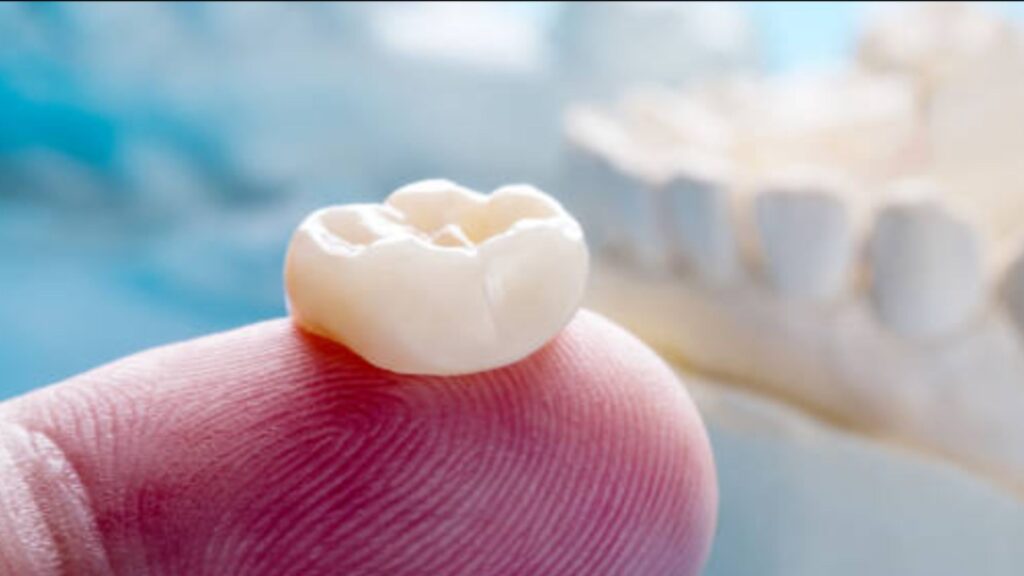
After cleaning, the empty space is filled and sealed. This blocks bacteria from entering again. A crown is often placed on top to protect the tooth during chewing.
Step-by-Step: What Happens During the Procedure
Numbing the Tooth
Before starting, the dentist numbs the area around the tooth. This makes the procedure comfortable. Most patients feel little to no pain during treatment.
Cleaning and Shaping the Canals
Small tools are used to remove infected pulp and clean the canals. The dentist rinses the area to wash away bacteria. This step is key to stopping infection completely.
Filling and Sealing the Tooth
Once clean, the canals are filled with a safe material. The tooth is then sealed to keep bacteria out. A crown may be placed later to restore strength.
After Treatment: Healing and Recovery
What Patients Feel After the Procedure
Mild soreness is normal for a few days. This usually feels like tenderness rather than sharp pain. Over-the-counter pain relief often helps during this time.
How the Tooth Is Protected Long Term
A treated tooth can last many years with proper care. Brushing, flossing, and regular dental visits help prevent future problems. The tooth functions like a natural one once restored.
Common Myths About Root Canals
“Root Canals Are Painful”
Modern dental care has changed this experience. With numbing and gentle techniques, the procedure feels similar to getting a filling. The goal is to stop pain, not cause it.
“It’s Better to Pull the Tooth”
Removing a tooth can lead to shifting teeth, chewing problems, and bone loss. Saving the natural tooth is usually the better choice when possible. A root canal treatment helps keep your smile intact.
Conclusion
A root canal works by removing infection, relieving pressure, and sealing the tooth to prevent future problems. It stops pain at its source and allows the tooth to function normally again. Treating infection early helps avoid serious complications and protects your overall health.
If you are experiencing tooth pain or signs of infection, professional care matters. At Dentist in Chandigarh, patients receive clear guidance and gentle treatment focused on comfort, healing, and long-term oral health.