
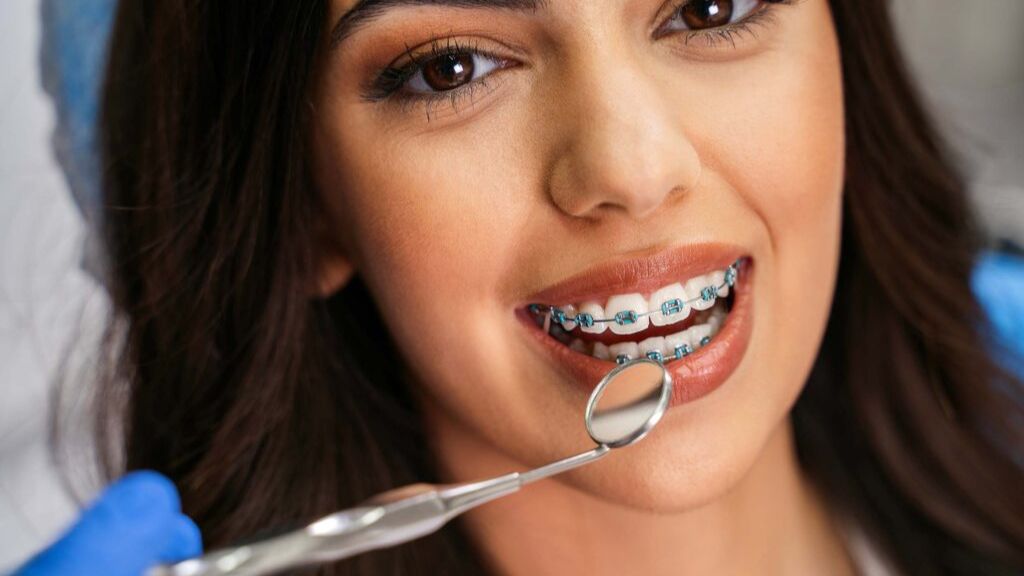
Many parents feel unsure about when orthodontic care should begin. Some worry they may start too early and put their child through treatment that is not yet needed. Others braces fear waiting too long and missing the best window for correction.
Teeth and jaws do not grow on a fixed schedule, and each child develops at a different pace. Because of this, dentists focus more on growth patterns than on age alone.
Learning how timing affects orthodontic decisions can help parents feel calm, informed, and confident when recommendations are made.
Why Age Matters for Orthodontic Treatment
How Teeth and Jaw Grow Over Time
A child’s mouth goes through major changes from early childhood into the teenage years. Baby teeth slowly fall out, permanent teeth take their place, and the jaw becomes wider and longer.
During these stages, the bone that supports the teeth is softer and more flexible, which makes it easier to guide teeth into healthier positions. This is why many parents choose to visit a dental clinic in Chandigarh for regular check-ups, as early monitoring helps spot changes before they become bigger issues.
As growth continues, spacing problems or bite concerns may appear, even if the teeth looked fine earlier. Dentists carefully watch these changes to decide when treatment will be most effective.
Why Early Evaluation Makes a Difference
An early orthodontic check does not always lead to immediate treatment. Instead, it gives dentists a chance to identify potential problems before they grow worse.
Issues like crowding, jaw imbalance, or bite misalignment often become harder to correct if they are ignored for too long.
Early evaluation allows dentists to track development over time and plan treatment at the most helpful moment, rather than reacting once problems become severe.
The Common Age Range Dentists Recommend for Braces
Ages 7 to 9: The First Orthodontic Check
Around this age, children usually have a mix of baby and permanent teeth. This stage allows dentists to see how the jaw is growing and whether enough space is forming for adult teeth.
While most children do not need treatment yet, signs like crossbites or severe crowding can already be visible. Regular monitoring during these years helps dentists decide if early guidance is needed or if it is better to wait and observe.
Ages 10 to 14: The Most Common Treatment Window
This age range is often considered ideal for orthodontic correction. Most permanent teeth have erupted, and jaw growth is still active. This balance makes tooth movement more predictable and efficient.
At this stage, dentists frequently recommend braces because the mouth responds well to gentle pressure, and children are usually mature enough to care for their teeth properly during treatment.
Why Dentists Often Suggest Braces During Pre-Teen Years
Easier Tooth Movement
Before the jaw fully matures, teeth move more easily within the bone. This allows dentists to correct alignment problems with less resistance.
Treatment during this stage often leads to smoother progress and fewer complications. Because the body adapts faster, results may be achieved more efficiently than if treatment begins later.
Guiding Jaw Growth Before It Stops
Jaw growth slows significantly after puberty. Addressing alignment issues while growth is still active allows dentists to guide development in a healthier direction.
This can reduce the risk of jaw pain, uneven tooth wear, and bite problems in adulthood. Proper timing supports both function and long-term comfort.
Can Younger Children Need Braces?
Early Signs That Should Not Be Ignored
Some children show signs of orthodontic problems earlier than others. Difficulty chewing, severe crowding, or early loss of baby teeth may signal that the jaw is not developing as expected. In such cases, waiting may allow the problem to worsen. Dentists carefully assess these signs before deciding whether early care is helpful.
Phase One Orthodontic Treatment Explained
Phase One treatment focuses on guiding jaw growth rather than fully straightening teeth. It is usually done for a short period and then paused, often with braces in Chandigarh recommended at this early stage to help manage spacing or bite concerns.
This early step can create space for permanent teeth and reduce the need for more complex correction later. Not every child needs this phase, but for some, it can make future treatment simpler and more comfortable.
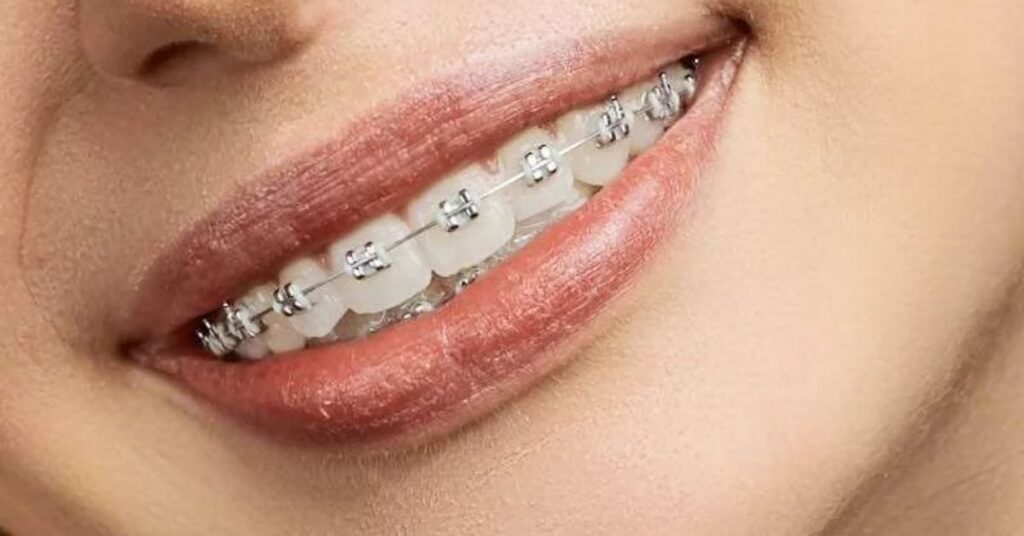
Is It Ever Too Late to Get Braces?
Braces for Teenagers
Teenagers who did not receive orthodontic care earlier can still benefit greatly. Even though jaw growth may be slowing, teeth can still move into better positions with proper planning.
Many teenagers achieve strong results when they follow care instructions and attend regular dental visits.
Braces for Adults
Adults also seek orthodontic treatment for both health and appearance reasons. While tooth movement may take longer due to fully developed bone, improvements are still very possible.
Modern techniques allow adults to correct long-standing alignment issues and improve their bite, comfort, and oral health.
Factors Dentists Consider Before Recommending Braces
Bite Problems and Tooth Alignment
Dentists closely examine how the upper and lower teeth meet. Problems such as overbite, underbite, or crossbite can affect chewing and speech.
If left untreated, these issues may cause uneven wear or discomfort over time. Evaluating bite alignment helps determine when intervention is most beneficial.
Jaw Development and Facial Balance
Jaw growth affects both function and facial balance. Dentists assess whether the jaw is growing evenly and if enough space exists for permanent teeth.
This evaluation helps them decide whether to guide growth early or wait until more development occurs.
Oral Habits Like Thumb Sucking
Certain habits can influence tooth position and jaw shape. Long-term thumb sucking or tongue thrusting may push teeth out of alignment. Dentists consider whether these habits are still present and how they may affect treatment timing and results.
What Happens During an Orthodontic Evaluation
Dental X-Rays and Impressions
An orthodontic evaluation often includes X-rays to see teeth that have not yet erupted. Impressions or digital scans provide a clear picture of spacing and alignment. These records help dentists understand how the teeth and jaw are developing beneath the surface.
Creating a Treatment Plan
After reviewing all findings, the dentist creates a treatment plan tailored to the child’s growth stage. This plan explains whether treatment should begin soon or if regular monitoring is the better choice.
Parents are guided through the reasoning in simple, clear language so they can feel confident about the next steps.
Emotional and Social Readiness of the Child
Responsibility and Oral Care
Orthodontic treatment requires daily cleaning and care. Dentists consider whether a child can follow instructions and maintain good oral hygiene. Children who understand their role in care often experience smoother treatment and better results.
Confidence and Comfort
Some children feel nervous about dental treatment, while others adapt quickly. Dentists take emotional readiness into account and work with families to create a positive experience. Feeling comfortable and supported can make a big difference in how well a child responds to care.
What Parents Should Watch for at Home
Crowded or Overlapping Teeth
Crowded or overlapping teeth often suggest that there is not enough space in the jaw. This is one of the most common signs parents notice. Early evaluation can determine whether this issue will resolve on its own or needs guidance.
Trouble Chewing or Speaking
Difficulty chewing food or clear speech problems may be linked to tooth or bite alignment. These signs should not be ignored, as braces can affect daily comfort and development. An orthodontic check can help identify the cause and determine if treatment is needed.
Conclusion
There is no single age that works best for every child. The right time for orthodontic care depends on growth patterns, tooth development, and individual needs.
Early evaluations help dentists choose the most effective moment to act, whether that means starting treatment or simply monitoring progress.
When parents stay informed and attentive, they support healthier smiles and smoother experiences for their children. Understanding timing helps families approach orthodontic decisions with confidence, clarity, and peace of mind.